California Destruction: Why Did the LA Fires Spread So Rapidly?
January 13, 2025
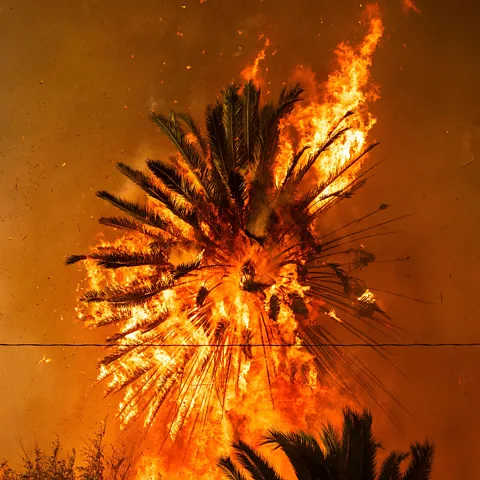
The wildfires in California have reached new levels of destruction in 2025, with late-season fires igniting across Los Angeles County—fires that would have been unthinkable in previous years, when cooler weather was expected to slow the blaze. The ferocity of these fires is due to a combination of extreme weather conditions, including high-intensity winds, dry vegetation, and climate-related shifts. Thousands of people have been evacuated, and entire neighborhoods have been devastated in a matter of hours.
At MyKey, we understand the intense challenges that communities face during emergencies like these. In this blog, we’ll dive into the factors behind the rapid spread of these fires, why they’ve become so destructive, and how to prepare for the unexpected.
One of the most dangerous factors in California’s wildfire season is the Santa Ana winds, which blow dry air from the inland deserts towards the coast. These winds, particularly in the fall and winter, can reach speeds of 100 mph, fanning the flames and sending embers miles away, starting spot fires. In 2025, these winds have been particularly fierce, funneled through valleys like those in the Santa Monica and San Gabriel Mountains, accelerating the fire’s spread.
California is currently grappling with one of the worst droughts on record. Over 83% of Los Angeles County is in a state of drought, which has turned vegetation into dry, flammable fuel. While past wet winters allowed plants to thrive, these years of drought have created a tinderbox just waiting to ignite. In addition, extremely low humidity levels have only exacerbated the fire hazard.
One devastating example of this was the Palisades Fire, which burned over 17,000 acres in just three days, fueled by the dry conditions and intense winds.
Climate change has played a significant role in the increased severity of California's wildfires. The state is experiencing "weather whiplash"—a cycle of wet years that encourage excessive vegetation growth, followed by hot, dry years that make this overgrowth a dangerous fire risk. These cycles of wet and dry weather are expected to become more extreme, meaning that California can expect more frequent and intense wildfires in the future.